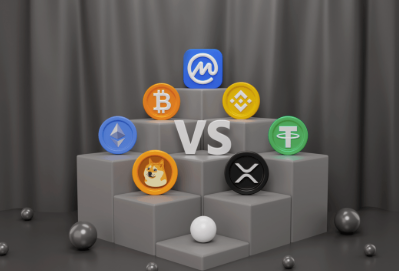
Coins and tokens serve distinct roles in blockchain ecosystems. Coins are native currencies that secure and settle transactions, while tokens are assets built on existing chains via smart contracts to enable access, incentives, and programmable rules. This distinction informs governance, security models, and interoperability considerations. Understanding how wallets, exchanges, and contracts treat each type clarifies potential risks and opportunities. The practical implications for payments, governance, and access hinge on how these digital assets are issued and managed.
How Coins Differ From Tokens in Blockchain Systems
Coins and tokens represent distinct concepts in blockchain systems: coins are native currencies of a blockchain, while tokens are digital assets built on existing blockchains through smart contracts.
In governance, coins vs. tokens in governance appear as voting power and treasury roles.
Interoperability issues arise when cross-chain token standards clash, limiting seamless interaction and broad participation in decentralized decision-making.
How Each Type Functions: Native Currency vs. Asset/Utility Tokens
In blockchain ecosystems, native currency and asset/utility tokens serve distinct roles in value transfer, governance, and application logic. Native currency enables basic settlement and security incentives, while asset/utility tokens power access, incentives, and programmable rules.
Tokens vs. platforms illuminate design choices; governance mechanisms vs. token standards reveal how control and interoperability are structured, affecting risk, innovation, and openness.
How to Evaluate Use Cases: Payments, Governance, and Access
Evaluating use cases across payments, governance, and access requires a structured approach that identifies core needs, measures value propositions, and anticipates risk.
The analysis focuses on practical viability, security, and scalability.
In payments governance, efficiency and cost transparency are central, while access governance emphasizes eligibility, rights, and privacy controls.
Assessors compare stakeholder benefits, interoperability, and long-term sustainability within tokenized ecosystems.
How Wallets, Exchanges, and Smart Contracts Handle Coins vs. Tokens
Wallets, exchanges, and smart contracts must distinguish between coins and tokens to operate reliably within decentralized ecosystems.
Wallets compatibility dictates support for varied token standards and address formats, while exchange listings depend on compliant metadata and liquidity.
Smart contracts handling demands clear issuance, transfer rules, and gas mechanics.
Custody security and token standards converge to ensure robust, auditable, frictionless asset management.
See also: DeFi vs Traditional Finance
Frequently Asked Questions
Do Coins and Tokens Ever Coexist on the Same Blockchain?
Yes, coins and tokens can coexist on the same blockchain, enabling co-founders governance and diverse use cases, while token burn mechanics manage supply, liquidity, and incentives within a unified protocol to support freedom and clarity in governance.
Can a Token Become a Coin Over Time?
A token cannot become a coin; they are distinct classes. In rare cases, a token may undergo token renaming and cross chain migration to operate with broader utility, yet still lacks native blockchain status versus a true currency.
How Do Forks Affect Token Standards and Compatibility?
Forks can alter protocol rules, impacting fork compatibility and necessitating token standard migration to maintain interoperability across networks. Overview emphasizes disciplined assessment of governance, toolchains, and upgrade paths to preserve functionality for a freedom‑minded user base.
Are There Tax Implications Unique to Coins Vs Tokens?
“Honesty is the best policy.” Tax treatment differs: coins may be treated as property or currency depending on jurisdiction; tokens often face broader reporting requirements and potential incentives, with precise tax treatment and reporting requirements varying by law and purpose.
Which Security Risks Are Specific to Tokens but Not Coins?
Security specific token risks arise from smart contract bugs, liquidity vulnerabilities, and minting control, while Compliance related token risks include regulatory gaps and issuance misclassification; both demand rigorous audits, governance, and transparent disclosures to preserve freedom and trust.
Conclusion
In the ledger’s quiet city, Coins stand as the street’s currency—the sturdy pavement that all passersby share. Tokens resemble the shops and signs that invite activity, each governed by rules etched in smart contracts. Together, they keep traffic flowing: Coins settle, secure, and govern; Tokens grant power to applications, access, and incentives. When used with care, this duo walks in harmony; when misaligned, the city fogs—transactions stall, possibilities dim, and trust wears thin.